
· by Sonny Miller
Why You Should Never Clean Old Coins Before Selling Them
Thinking about cleaning up your old coins before selling them? Don't. A coin buyer explains why cleaning destroys value and what to do instead.
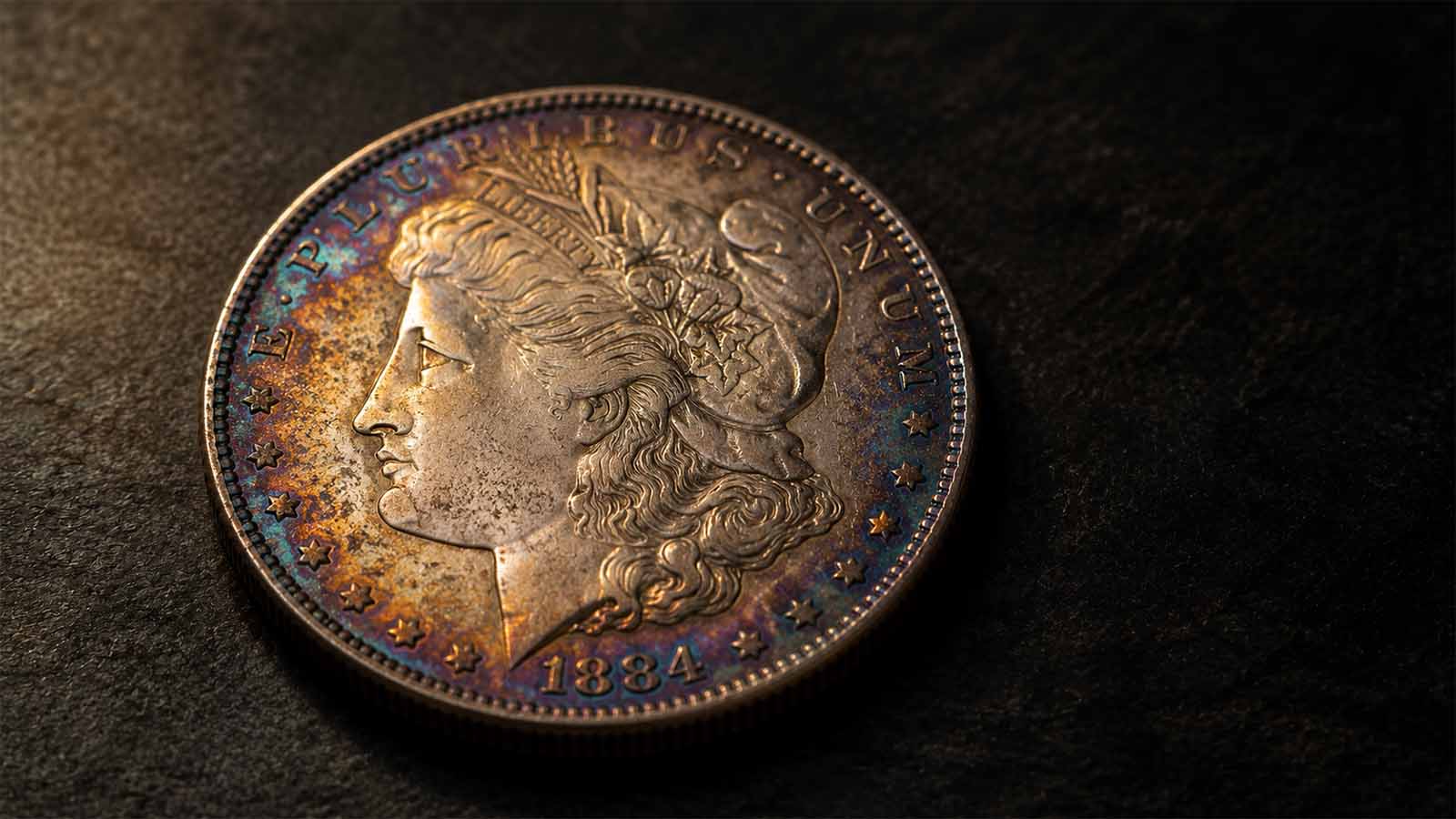
Hey, Sonny here. I want to talk about the single most expensive mistake people make with old coins, and I see it constantly. Someone calls me up, says they’ve been getting their grandfather’s collection ready to sell, and proudly tells me they spent the weekend “cleaning them up nice.” My heart sinks every single time.
If you take nothing else from anything I write on this site, take this: do not clean old coins. Not with a polish, not with vinegar, not with ketchup, not with a soft cloth, not with anything. Leave them exactly as they are.
Here’s why.
What “patina” actually is, and why collectors pay for it
When you look at an old coin and see that darker, slightly muted surface — sometimes with a soft rainbow of color around the rim, sometimes a uniform gray-gold tone — that’s called patina or toning. It’s not dirt. It’s a chemical layer that’s formed over decades from contact with air, sulfur in old paper holders, humidity, and time.
Collectors love patina. A naturally toned Morgan dollar with attractive rainbow color can sell for two to ten times more than the same coin with blast-white surfaces. Original surfaces are one of the things grading services like PCGS and NGC explicitly look for — and one of the things they explicitly penalize you for damaging.
Cleaning strips this layer off. Once it’s gone, it’s gone. You can’t put it back, and the coin will never grade the same again.
What “cleaning” actually does to the surface
Here’s the part most people don’t realize: even the gentlest cleaning leaves microscopic scratches. A soft cotton cloth, a baby’s toothbrush, a tissue — all of it abrasive at the scale a grader is looking at.
Under 5x magnification (which is the bare minimum a buyer or grader uses), a cleaned coin shows what’s called hairlines — tiny parallel scratches across the fields. They’re a dead giveaway. A coin with hairlines gets labeled “cleaned” or “altered surfaces” by PCGS and NGC, and that designation slashes value across the board.
Some of the worst offenders I see:
- Silver polish or jewelry cleaner — strips toning, leaves the surface unnaturally shiny and slightly etched
- Vinegar, ketchup, or Coca-Cola “tricks” from YouTube — these are acids; they pit the surface
- Baking soda paste — abrasive; leaves micro-scratches everywhere
- Ultrasonic cleaners — wreck the relief details and can mark slabs
- Erasers or pencil rubbing — leaves visible rub marks under magnification
- “Just a damp cloth” — still abrasive enough to cause hairlines
There’s no safe DIY cleaning method. None.
A real-money example
Let me put numbers on this. A common-date Morgan silver dollar in original uncleaned condition, grading MS-63, might be worth $80-120 today. The same coin, cleaned, with hairlines visible, drops to $25-30 — basically silver melt value plus a small premium.
That’s a 70-75% value loss on a common coin. On rarer coins it gets worse. I’ve seen $2,000 coins reduced to $300 because someone wanted them to “look new.” On a full collection, the cumulative damage can be thousands or tens of thousands of dollars.
”But they look so much better cleaned”
To a non-collector, yes. A cleaned coin looks bright and shiny and “new.” That’s exactly why people do it — they think they’re improving the presentation for a sale.
To anyone who actually buys coins, a shiny coin from 1885 is an immediate red flag. Coins that age aren’t supposed to look like they came out of the mint last week. When they do, every buyer knows something’s been done to them, and the offer drops accordingly.
This is one of those rare areas where the intuitive thing to do (clean up something old before selling it) is the exact wrong thing.
What to do instead
Nothing. Genuinely, nothing.
If the coins are dusty, leave them dusty. If they’re tarnished, leave them tarnished. If they’re in old paper envelopes that look beat up, leave them in the envelopes. Whoever you sell to is going to look at them under magnification and make decisions based on the original surface — and they’ll thank you for not touching them.
The only legitimate “cleaning” is professional conservation done by NGC’s NCS service or PCGS Restoration, and that’s only worth doing for coins valued at several hundred dollars or more. They use specific chemical processes that don’t introduce hairlines. It’s not a DIY thing — it costs real money and takes weeks.
For everything else: leave it alone. Get a valuation. Sell it as-is.
What if I already cleaned them?
It happens. If you’ve already cleaned coins, don’t panic — they’re still worth something, just less than they would have been. Don’t compound the mistake by trying to “fix” the cleaning with more cleaning. Get them valued as they are, and you’ll know what you’re working with.
The coins that haven’t been touched are the ones to be especially careful with going forward.
When you’re ready
If you’ve got a collection you’re thinking about selling, call us before you do anything to them. Free valuation, no obligation, and we’ll tell you honestly what you have.
📞 (714) 987-1931 — call or text. We cover all of Orange County, LA, Riverside, San Bernardino, and San Diego counties, and we come to you.
Leave them as they are. Let us take a look. That’s the play.
— Sonny